If you are thinking about buying in Eagle Watch, it helps to look past the front gate appeal and understand how the neighborhood really works. This is the kind of community that can be a great fit for the right buyer, but it is not a one-size-fits-all option, especially if you are weighing both personal use and future rental plans. In this guide, you will get a clear look at home types, amenities, HOA structure, leasing limits, and key due diligence points so you can decide with confidence. Let’s dive in.
Eagle Watch at a Glance
Eagle Watch is a large established community in the Woodstock and Towne Lake area of Cherokee County. According to the HOA, the neighborhood has 1,380 units and sits about 30 miles from downtown Atlanta, with quick access to I-575.
For many buyers, the biggest draw is the amenity package. The community includes three pools, parks, playgrounds, lighted tennis and pickleball courts, 14 tennis courts, and an 18-hole par-72 golf course designed by Arnold Palmer.
The HOA also highlights proximity to Downtown Woodstock, Lake Allatoona, and Hobgood Park. If you want a neighborhood where recreation and community amenities are part of daily life, Eagle Watch stands out.
Who Eagle Watch Fits Best
Eagle Watch is best understood as a lifestyle-focused, resident-first community. The size of the neighborhood, the depth of the amenities, and the HOA structure all point to a place designed for owners who want more than just a house.
That can make it appealing if you are a move-up buyer looking for more square footage, more neighborhood amenities, and a more established community feel. It can also interest some investor-curious buyers, but only if you go in with realistic expectations about rental flexibility.
If your goal is simple ownership with minimal rules, this may not be your best match. Eagle Watch has a more structured HOA environment, and that structure affects everything from exterior changes to leasing.
What Homes in Eagle Watch Look Like
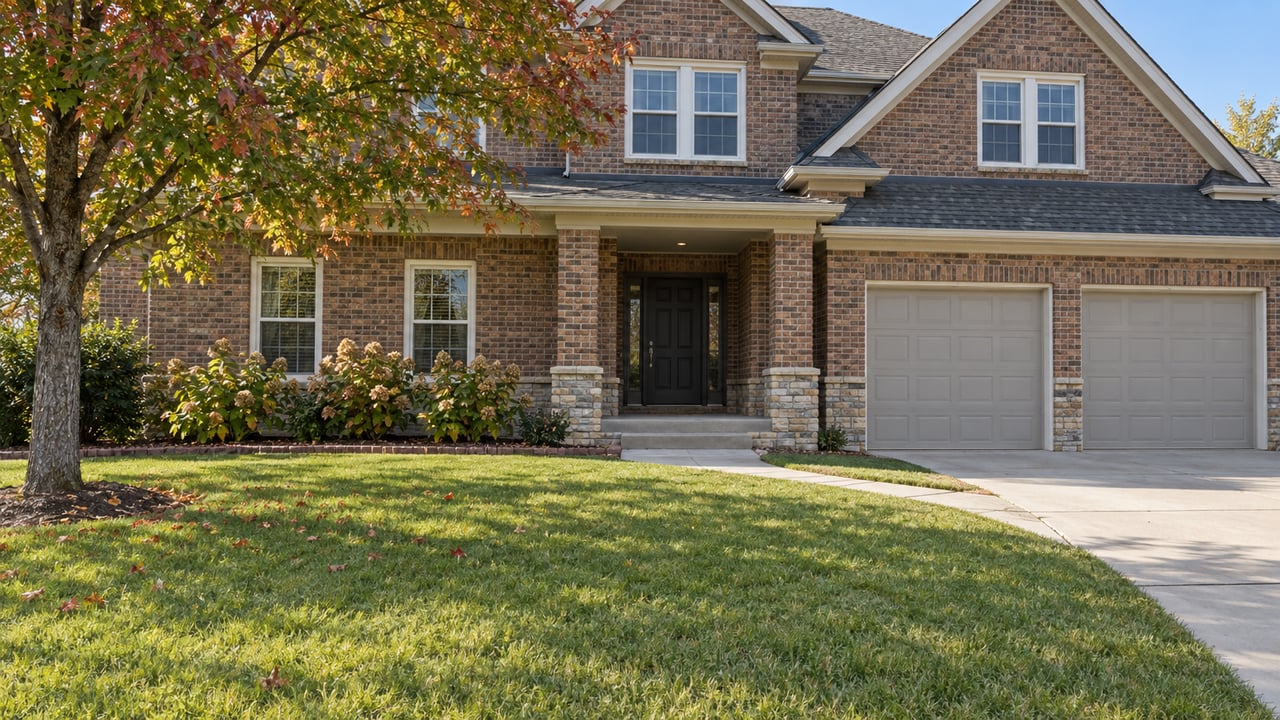
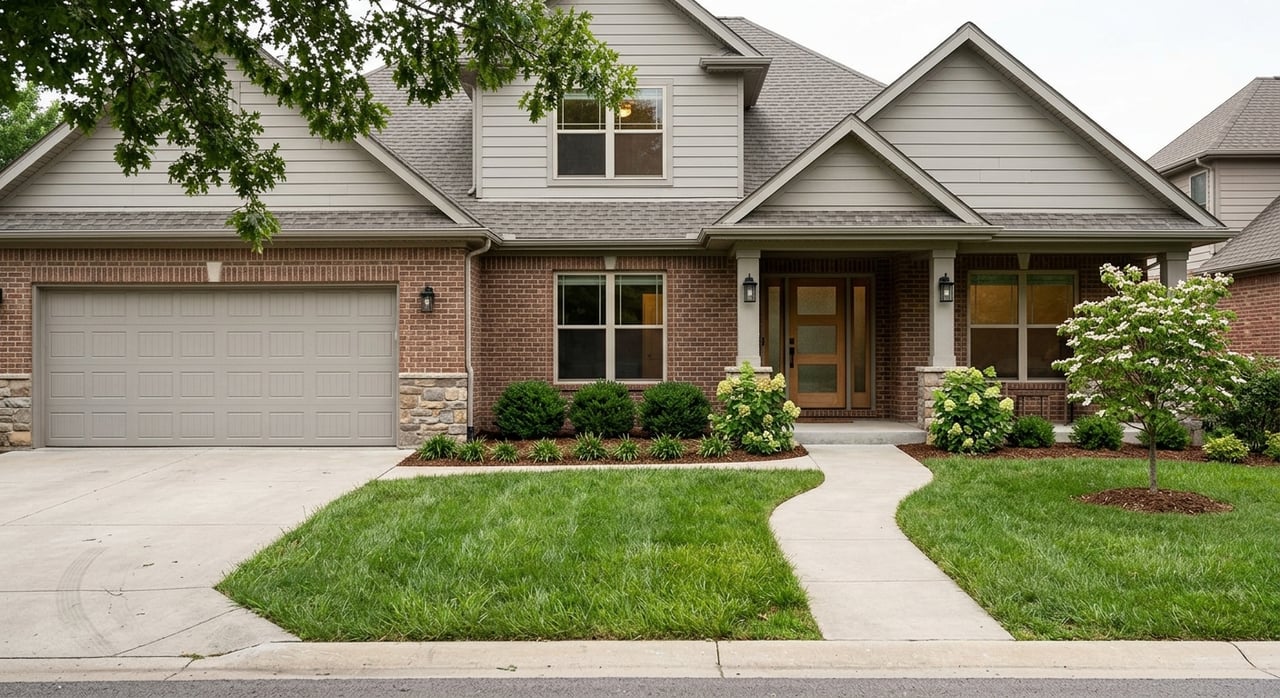
Based on current listing examples, Eagle Watch is mostly a single-family home market with larger homes and move-up pricing. Active examples show homes with 3 to 6 bedrooms and roughly 2,200 to 4,700 square feet.
Features in current listings include wooded yards, back decks, garages, access to community amenities, and larger lot sizes. Asking prices in the current mix range from the high $400,000s to the mid $700,000s.
That range matters because it tells you Eagle Watch is not a uniform neighborhood where every home fits the same buyer. Some homes may appeal to buyers seeking value within an amenity-rich community, while others target buyers who want more size and upgraded features.
Current Market Snapshot
Recent neighborhood data shows a median sale price of $579,500 in March 2026, up 10.8% year over year. The same market snapshot reports 2 new listings with a median listing price of $635,000.
Homes are averaging about 41 days on market and about 1 offer. That suggests a market that is active, but not necessarily frantic, which can create room for thoughtful decision-making and due diligence.
For you as a buyer, that means Eagle Watch may offer opportunity, but you still need to understand each property in context. Condition, updates, lot characteristics, and HOA compliance can all affect value here.
HOA Costs You Should Understand
One of the most important parts of buying in Eagle Watch is understanding the full HOA cost structure. The 2026 disclosure lists total assessments of $1,538.64.
That total is made up of:
- $1,086 in regular Eagle Watch assessments
- $52.64 for the Towne Lake Residential Owners’ Association
- $400 special assessment for reserve replenishment
The HOA also states that Eagle Watch is a fee simple community with mandatory membership and that it is part of the Towne Lake master association. In plain terms, you are not just buying a home here. You are also buying into a layered HOA structure with required dues.
How the HOA Affects Daily Ownership
In Eagle Watch, the HOA is not just a background detail. It plays an active role in how the neighborhood looks and operates.
Exterior modifications generally require ACC approval, while like-for-like repairs that do not change the exterior appearance usually do not. Written standards address paint colors, roofs, fences, mailboxes, antennae, pools, and recreational structures.
Some examples are especially important for buyers to know upfront:
- Asphalt shingles only
- Standardized mailboxes
- No above-ground pools
- No shed or storage structures
If you like the consistency that HOA oversight can bring, these standards may feel reassuring. If you prefer broad freedom to change your exterior or add backyard structures, this is a community where you will want to read the rules carefully before you buy.
Amenity Access Has Structure Too
The amenity package is strong, but it is not casual or unregulated. Pool access is managed, with pools typically open from May through September, and residents age 12 and older need a picture ID to use association amenities.
There are also some operational details buyers should understand. The HOA says it does not own a clubhouse because the clubhouse belongs to the golf club, and the tennis program is handled separately through EWTA, even though homeowners do not have to join EWTA to use the tennis facilities.
That may not be a problem, but it does mean you should ask good questions during due diligence so you know exactly what is included, what is separate, and how access works.
What Investors Need to Know First
If you are looking at Eagle Watch partly as an investment, the leasing rules are the biggest issue to understand. This is not a neighborhood to approach as a short-term rental opportunity or a highly flexible rental asset.
The governing leasing guidelines say leasing is generally prohibited except for grandfathered owners, board-approved leasing permits, or hardship permits. The guidelines also note an intended cap of 100 leased lots.
That is a major constraint. If your plan depends on renting the home quickly or automatically, Eagle Watch may not align with your goals.
Eagle Watch Leasing Rules in Plain English
The leasing restrictions go beyond a simple yes or no. They create a narrow path for long-term rental use and shut down short-term rental strategies.
Key rules include:
- Leases must cover the entire home
- Lease terms must be at least one year
- Subleasing is not allowed
- Short-term hotel-type occupancy, including Airbnb or VRBO use, is not allowed
- Leasing permits are tied to the owner and the lot
- Leasing permits do not transfer when the property is sold
For most buyers, the takeaway is simple. Eagle Watch works better as a primary residence or long-term personal hold than as a flexible investor play.
Rental Fees and Landlord Friction
Even if you qualify to lease, there are additional administrative requirements. The 2026 disclosure lists a $299 annual rental-management fee and requires a copy of the lease, the HOA lease addendum, contact information for adult occupants, and proof that background checks were completed for each adult occupant.
At the same time, the formal leasing guideline describes the leasing administration fee differently, tying it to one-half of the annual general assessment. Since the HOA documents do not phrase these charges in the same way, this is something you would want clarified during due diligence.
For an investor, that kind of detail matters. It affects carrying costs, planning, and your ability to estimate return with confidence.
Primary Residence Buyers Have a Clearer Path
If you are buying Eagle Watch as your home, the path is generally more straightforward. Georgia homestead exemption rules say the property must be owned and actually occupied as your primary legal residence as of January 1 of the tax year, and the application must be filed by April 1.
Cherokee County also says property taxes are based on ownership as of January 1, tax bills are mailed in September, and taxes are due November 15. If you buy after January 1, the county says the settlement statement should be submitted so the bill can be updated, because the county does not automatically prorate taxes for part-year ownership.
These are manageable details, but they matter. If you plan to live in the home, ask early about tax timing, possible homestead eligibility, and how your closing date may affect the first bill.
Smart Due Diligence Before You Buy
In Eagle Watch, a smart purchase is usually less about whether the neighborhood is attractive and more about whether the rules and costs fit your plan. Before you commit, make sure you review the property and the community together.
Here are a few key items to verify:
- Total HOA dues and whether any special assessments apply
- Current leasing status and whether a permit path is available
- Amenity access details and any separate programs
- ACC rules that could affect future exterior projects
- School zoning directly with the district if that is important to you
- HOA disclosure materials, including the note about pending litigation related to a May 2023 automobile accident
A neighborhood can be a great fit and still require careful review. In Eagle Watch, that review is part of buying wisely.
Bottom Line on Buying in Eagle Watch
Eagle Watch offers a lot to like if you want a large, established, amenity-rich community in the Woodstock and Towne Lake area. The homes tend to be larger, the neighborhood has broad recreational appeal, and the market pricing reflects a move-up single-family environment rather than an entry-level or investor-first one.
The biggest dividing line is usually your ownership plan. If you want a primary residence in a structured HOA community with strong amenities, Eagle Watch may be a strong match. If you want easy rental flexibility, low-rule ownership, or short-term rental potential, the community’s leasing limits and exterior controls deserve very careful attention.
If you want help sorting through Eagle Watch homes, HOA documents, or the pros and cons of buying here for personal use versus long-term investment, Donna Broadus can help you evaluate the details and move forward with confidence.
FAQs
What kind of neighborhood is Eagle Watch in Woodstock, GA?
- Eagle Watch is a large established Cherokee County community with 1,380 units, a broad amenity package, and a structured HOA environment.
What types of homes are common in Eagle Watch?
- Current listing examples show mostly single-family homes with 3 to 6 bedrooms, about 2,200 to 4,700 square feet, and asking prices from the high $400,000s to the mid $700,000s.
What are the HOA fees in Eagle Watch?
- The 2026 disclosure lists total assessments of $1,538.64, including the regular Eagle Watch assessment, the Towne Lake master association charge, and a special assessment for reserve replenishment.
Can you use an Eagle Watch home as a rental property?
- Leasing is generally prohibited except for grandfathered owners, board-approved leasing permits, or hardship permits, and short-term rental use is not allowed.
Are short-term rentals allowed in Eagle Watch?
- No. The leasing guidelines prohibit short-term hotel-type occupancy such as Airbnb or VRBO.
What should buyers verify before buying in Eagle Watch?
- Buyers should review HOA fees, leasing rules, amenity access, ACC standards, school zoning, and the full HOA disclosure package before closing.